Jodhpur stands at the edge of the Thar Desert as one of Rajasthan’s most visually striking cities. Known for its blue-painted houses and commanding hilltop fort, the city carries stories shaped by warriors, traders, and desert life. For American travelers curious about India’s past, Jodhpur offers a clear window into how history, geography, and culture grew together over centuries.
The Foundation of Jodhpur
Jodhpur was founded in 1459 by Rao Jodha, a Rajput ruler of the Rathore clan. Before this, the region was ruled from Mandore, a nearby settlement that lacked natural defenses. The rocky hill where Mehrangarh Fort now stands provided both protection and visibility across the desert plains.
The early years were shaped by survival in a harsh climate. Trade routes passing through the region helped the city grow, turning Jodhpur into an important stop between northern India and the western ports.
Mehrangarh Fort and Royal Power
Mehrangarh Fort defines Jodhpur’s skyline. Built high above the city, it served as both a royal residence and a military stronghold. Thick walls, steep entrances, and carved gates reflect centuries of conflict and defense.
Inside the fort, palaces display courtyards, mirror work, weapons, and paintings that document royal life. Many Jodhpur historical facts are preserved here, making the fort one of the most important heritage sites in western India.
The Blue City Tradition
One of Jodhpur’s most recognizable features is the blue color covering homes near the old city. Historically, the color was linked to Brahmin families, but over time it spread across communities.
The blue pigment helped reflect heat and was believed to repel insects. Today, this tradition gives the city its nickname and creates a visual identity unlike anywhere else in Rajasthan.
Jodhpur Under Mughal Influence
Jodhpur’s rulers formed alliances with the Mughal Empire through diplomacy and marriage. These relationships allowed local kings to maintain authority while benefiting from stability and trade.
Mughal architectural elements can still be seen in palaces and gardens, blending Rajput strength with refined artistic detail. This period played a major role in shaping the city’s political and cultural direction.
Life in the Old Markets
The old city grew around Mehrangarh Fort, forming narrow streets filled with homes, temples, and markets. Spices, textiles, metalwork, and handicrafts have been traded here for generations.
Clock Tower Market remains a central gathering place and reflects everyday life shaped by centuries of commerce. Many Jodhpur tourist places are located within walking distance of these historic streets.
Temples, Cenotaphs, and Sacred Spaces
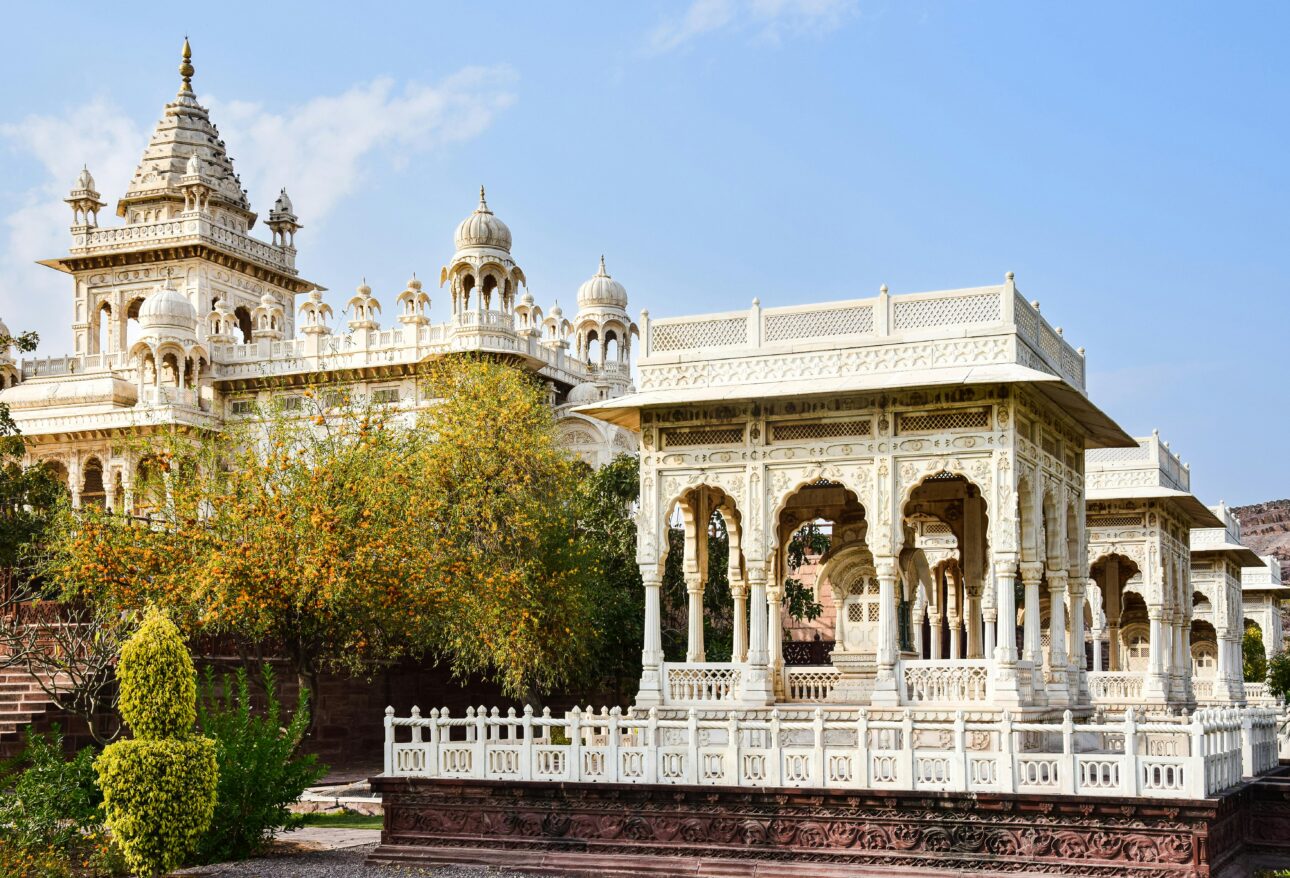
Jodhpur is home to important religious landmarks. Jaswant Thada, a white marble cenotaph, honors Maharaja Jaswant Singh II and stands near the fort complex. Its quiet gardens contrast with the fort’s rugged stone walls.
Temples dedicated to Hindu deities are scattered throughout the city, reflecting long-standing spiritual traditions tied closely to royal patronage.
Jodhpur in Modern India
After India gained independence, Jodhpur became part of the state of Rajasthan. While modern development continues, heritage conservation remains a priority.
Today, the city balances daily life with tourism, welcoming travelers through organized jodhpur tour experiences and curated rajasthan travel packages that highlight history, culture, and architecture.
Why Jodhpur Matters to Travelers?
Jodhpur offers more than monuments. It tells a story of resilience, adaptation, and identity shaped by desert life and royal ambition. Understanding the History of Jodhpur India adds depth to visits to Jodhpur famous places, allowing travelers to connect historical context with what stands today.
Ashoka Holidas curates journeys that respect this heritage while making the experience accessible for international visitors seeking meaningful cultural insight.
Suggested Read: Best of Rajasthan: A Complete Guide to Palaces, Deserts & Wildlife
Conclusion
Jodhpur’s past lives on through forts, streets, colors, and traditions that continue to define the city. Its history is neither distant nor hidden, it remains visible in everyday life. For American travelers interested in India’s royal era and desert civilizations, Jodhpur offers clarity, continuity, and a strong sense of place.
FAQs
When was Jodhpur founded?
Jodhpur was founded in 1459 by Rao Jodha, a Rathore Rajput ruler who shifted the capital from Mandore.
Why is Jodhpur called the Blue City?
Many homes were painted blue to reflect heat and follow cultural traditions, creating a unique city identity.
What is Mehrangarh Fort known for?
The fort is known for its massive walls, royal palaces, and detailed museums showcasing regional history.
Was Jodhpur part of the Mughal Empire?
Jodhpur maintained alliances with the Mughals while retaining local royal authority and traditions.
Is Jodhpur important in Rajasthan’s history?
Yes, Jodhpur was a major political and trade center in western Rajasthan for several centuries.
What are key historical sites in Jodhpur?
Mehrangarh Fort, Jaswant Thada, Mandore Gardens, and the old city markets hold historical significance.
How is Jodhpur preserved today?
Heritage conservation, tourism management, and cultural awareness help protect Jodhpur’s historical identity.

Ronit is a dynamic travel professional and a key driving force behind Ashoka Holidays, overseeing business operations and strategic growth initiatives. With a strong understanding of the travel industry, he focuses on delivering seamless and memorable experiences for global travelers. He plays an active role in curating innovative tour packages and maintaining high service standards across destinations.