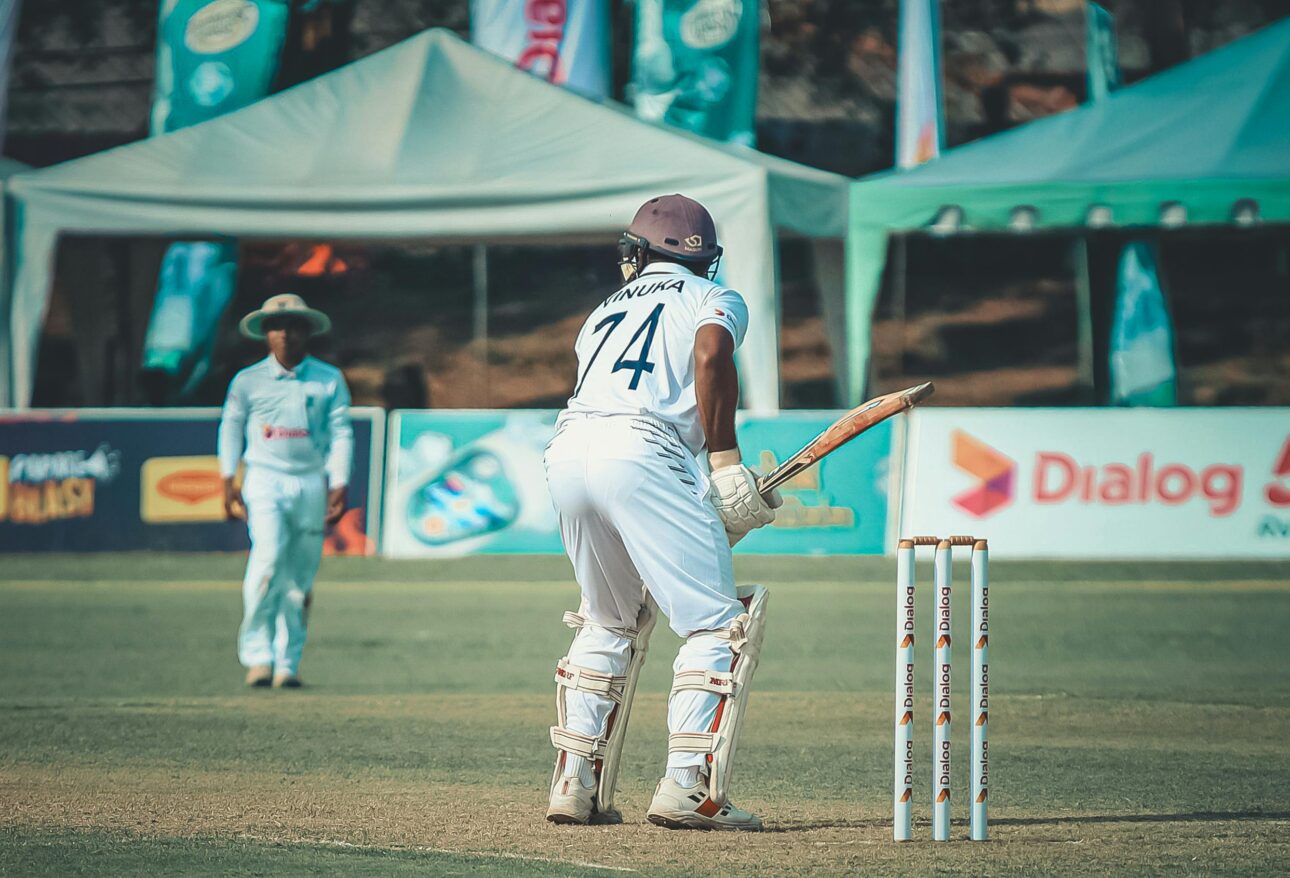
Cricket tours in India have become a favourite for school teams, clubs, and international groups looking to combine competitive matches with cultural travel. With decades of experience, Ashoka Holidays has handled group sports travel across India, helping teams organise fixtures, accommodation, and logistics smoothly. Many teams start by researching cricket tour packages India, then move toward building a customised plan that fits their schedule and budget.
Planning a Successful Cricket Tour to India: What Matters Most
1. Define Tour Goals and Team Requirements
Every successful tour begins with clarity about the purpose. Some teams travel for competitive fixtures, while others focus on training, exposure, or school exchange programmes. Age group, team size, coaching staff, and skill level shape the itinerary.
Key decisions at this stage:
- Number of matches required
- Practice sessions and coaching clinics
- Preferred cities or cricket academies
- Balance between cricket and travel experiences
This early planning stage forms the foundation of cricket tour India planning and helps travel organisers design realistic schedules.
2. Decide the Best Time to Travel
India’s climate varies widely. Choosing the right season improves playing conditions and overall comfort.
Best travel windows:
- October to March: Ideal weather for most regions
- April to June: Very hot in many cities
- July to September: Monsoon season in several states
Winter months are generally the most comfortable for outdoor matches and sightseeing.
3. Choose Tour Duration and Cities
Most cricket tours range between 7–14 days. The duration depends on travel distance, number of fixtures, and sightseeing plans.
Popular cricket cities:
- Delhi and NCR for international-standard grounds
- Mumbai for cricket heritage and academies
- Jaipur for balanced sports and tourism
- Bangalore for modern facilities
Selecting two or three cities keeps travel manageable while still offering variety.
4. Arrange Matches and Practice Facilities
This is the core of the tour. Fixtures must be scheduled well in advance to avoid last-minute challenges.
Match planning checklist:
- Confirm ground availability
- Arrange umpires and scorers
- Schedule practice sessions
- Ensure teams of similar skill levels
- Plan match formats (T20, ODI, multi-day)
Teams planning to plan cricket tour India often prioritise competitive fixtures combined with professional coaching sessions.
5. Plan Visas, Travel Documents, and Insurance
International teams must handle documentation early to avoid delays.
Important requirements:
- Tourist or sports visa applications
- Passport validity (minimum 6 months)
- Travel insurance covering sports activities
- Emergency contact documentation
Starting visa processing at least 8–10 weeks before travel is recommended.
6. Book Flights and Accommodation
Group travel benefits from early flight bookings. Accommodation should prioritise comfort, safety, and proximity to grounds.
Accommodation considerations:
- Twin or triple sharing rooms for players
- Hotel meal plans suitable for athletes
- Laundry facilities for kits
- Meeting rooms for team briefings
Teams that book cricket tour India packages early often secure better group rates and preferred hotel locations.
7. Organise Ground Transport and Logistics
Efficient transport keeps the schedule running smoothly.
Transport planning includes:
- Airport transfers
- Daily match travel
- Sightseeing transport
- Equipment transport vehicles
Reliable transport partners are essential when travelling with sports gear and large groups.
8. Prepare Match Kits and Equipment
Packing properly avoids last-minute stress. Teams should carry essential equipment while confirming availability of backup gear locally.
Equipment checklist:
- Full match kits and spare uniforms
- Cricket balls and training gear
- Medical kits and recovery equipment
- Hydration supplies and nutrition snacks
Advance planning ensures no match is affected by missing equipment.
9. Plan Sightseeing and Cultural Activities
A cricket tour is also a travel experience. Including sightseeing builds team bonding and creates memorable experiences.
Popular activities:
- Heritage monuments and city tours
- Cultural performances and local markets
- Stadium visits and cricket museums
- Adventure and team-building activities
Balancing matches and tourism keeps the tour enjoyable and energising.
10. Budget Planning and Payments
Budget transparency prevents confusion later. Costs usually include:
- Flights and visas
- Hotels and meals
- Match arrangements
- Transport and sightseeing
- Travel insurance and contingencies
A clear payment schedule helps teams manage expenses comfortably.
11. Safety, Health, and Contingency Planning
Health and safety preparation is essential for international travel.
Preparation checklist:
- Emergency medical contacts
- Hydration and heat management plans
- Backup match days for weather disruptions
- Communication plan for team leaders and parents
Well-prepared teams travel with greater confidence and peace of mind.
12. Final Pre-Departure Checklist
Before departure, confirm every detail:
- Final travel itinerary shared with all members
- Match schedules and contact lists distributed
- Currency exchange and payment methods ready
- Copies of passports and documents stored digitally
- Team meeting to review tour expectations
This stage ensures the entire group is aligned and ready.
13. The Complete Tour Summary
Organising a cricket tour involves logistics, travel coordination, and sports management. Using a structured India cricket tour checklist helps teams avoid missed details and enjoy a smooth journey from start to finish.
Conclusion
A cricket tour to India blends sport, travel, and unforgettable team experiences. Careful preparation, early bookings, and structured planning create a tour that runs smoothly both on and off the field. With the right checklist and reliable travel support, teams can focus on performance, teamwork, and enjoying every moment of the journey.

Ronit is a dynamic travel professional and a key driving force behind Ashoka Holidays, overseeing business operations and strategic growth initiatives. With a strong understanding of the travel industry, he focuses on delivering seamless and memorable experiences for global travelers. He plays an active role in curating innovative tour packages and maintaining high service standards across destinations.