Quick Answer
Shimla is best for families, first-timers, and heritage lovers — easy accessibility, colonial charm, and comfortable stays. Manali suits adventure seekers with trekking, snow activities, and Spiti/Leh connectivity. For 2026, choose Shimla for comfort and culture, Manali for adventure and altitude. Both peak in May–June and September–October.
Every year, thousands of travellers across India face one classic dilemma — Shimla or Manali? Both are iconic hill stations nestled in the heart of Himachal Pradesh, both are breathtakingly beautiful, and both promise memories that stay with you long after you return home. But they are very different places, and the right choice depends entirely on what you are looking for from your trip.
Whether you are planning a romantic getaway with your partner, a fun-filled family vacation, a solo adventure, or a quick escape from the city heat, this guide will help you decide once and for all — Shimla vs Manali which is better for your 2026 trip.
Quick Overview: Shimla and Manali at a Glance
Before diving deep into the comparison, here is a brief snapshot of what each destination offers.
|
Aspect |
Shimla |
Manali |
| Altitude | 2,206 metres | 2,050 metres |
| Best Known For | Colonial charm, Mall Road | Adventure sports, snow |
| Distance from Delhi | ~370 km | ~540 km |
| Best Season | March to June, Dec–Jan | Oct–June (avoid July–Aug) |
| Crowd Level | Moderate to High | High in peak season |
| Ideal For | Families, couples, seniors | Adventure seekers, couples |
| Trip Duration | 3 to 4 days ideal | 5 to 7 days ideal |
Shimla: The Queen of Hill Stations
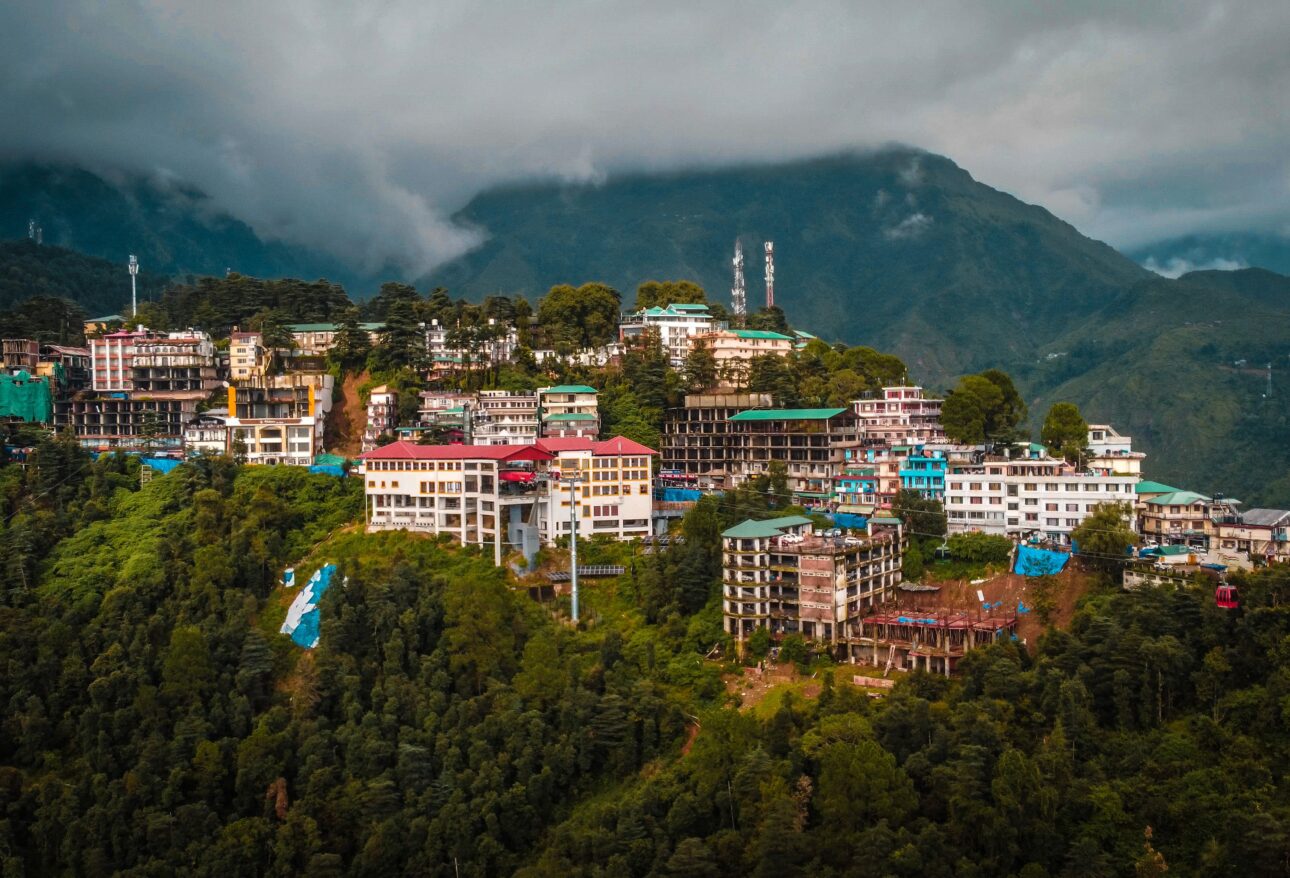
Shimla has been charming visitors since the British made it the summer capital of India. Even today, the city retains that old-world elegance — wide promenades, colonial-era buildings, dense cedar forests, and a relaxed atmosphere that is hard to find elsewhere.
What Makes Shimla Special
- The famous Mall Road, ideal for leisurely evening walks and shopping
- Jakhu Temple, perched high above the city with panoramic valley views
- Kufri, a nearby hill resort perfect for short treks and snow activities in winter
- Toy Train (UNESCO Heritage) — the Kalka-Shimla railway is an experience in itself
- Christ Church and Viceregal Lodge — iconic landmarks for history lovers
- Relatively easy accessibility — well-connected by road and rail
- Ideal for families travelling with elderly members or young children
Best Time to Visit Shimla in 2026
March to June is the most popular season — the weather is pleasant, flowers are in bloom, and all tourist spots are fully accessible. December to January brings snowfall, making it magical for couples and honeymooners. Monsoons (July–September) make roads slippery, so it is best avoided.
Shimla for Families
Shimla is arguably the most family-friendly hill station in North India. The town itself is compact, manageable, and safe. Kids love the snow at Kufri, the toy train ride, and the Himalayan Bird Park. Seniors find the mild weather and paved walkways comfortable. If you are travelling with mixed age groups, Shimla is the more practical choice.
Shimla for Couples
The colonial romance of Shimla makes it a popular honeymoon spot. Watching the sunset from Jakhoo Hill, sharing a quiet meal at a cafe on Mall Road, or catching the first snowfall of winter — Shimla creates intimate moments effortlessly. It is less adventurous than Manali but more relaxed and scenic.
Manali: The Adventure Capital of the Himalayas
If Shimla is the elegant queen, Manali is the fearless adventurer. Sitting at the confluence of the Beas River, surrounded by snow-capped peaks and dense deodar forests, Manali is where India’s adventure-loving travellers come to feel alive.
What Makes Manali Special
- Rohtang Pass — one of the most dramatic high-altitude passes in India
- Solang Valley — perfect for paragliding, zorbing, and skiing
- Old Manali — a bohemian village feel with budget cafes and backpacker hostels
- Hadimba Temple — a stunning wooden temple set inside a pine forest
- River rafting on the Beas River — suitable for beginners and experienced rafters alike
- Gateway to Spiti Valley, Leh, and Lahaul — great for longer Himalayan expeditions
- Vibrant cafe culture and nightlife compared to Shimla
Best Time to Visit Manali in 2026
October to June is the ideal window. Winter (December–February) brings heavy snowfall and sub-zero temperatures — thrilling for snow lovers but challenging for casual tourists. Summer (March–June) is the most comfortable and popular time. Avoid July and August due to heavy monsoon rains, landslides, and road closures.
Manali for Families
Manali can be great for families, especially those with teenagers and young adults who enjoy outdoor activities. However, high altitudes and long drives can be challenging for very young children and elderly travellers. The roads to Rohtang Pass and Solang Valley require some physical effort. With proper planning and a reliable tour package, families can have an incredible experience.
For more details on what to see and do, check out our comprehensive Manali Tourist Places 2026 Guide that covers every must-visit spot in detail.
Manali for Couples
Manali is one of India’s most romantic destinations for couples who love adventure and nature. Whether it is a sunrise trek, a quiet riverside moment, or an adrenaline-filled paragliding session together — Manali creates shared experiences that bring couples closer. The snow-covered landscapes add a dreamy quality to the entire trip.
Shimla vs Manali: Head-to-Head Comparison
1. Weather and Climate
Both cities enjoy a mountain climate, but Shimla tends to be milder and more approachable. Manali sits at a similar altitude but is surrounded by higher peaks, making winters significantly harsher. For summer vacations, both are excellent. For winter snow holidays, Manali wins hands down — the snowfall is heavier and more reliable.
2. Accessibility
Shimla is easier to reach. It is about 5–6 hours from Delhi by road and has a direct rail connection via the famous toy train from Kalka. Manali is roughly 12–14 hours from Delhi by overnight bus or private car. For those flying, Bhuntar Airport near Manali has limited connectivity, while Shimla Airport is small but functional. If ease of travel matters to you, Shimla has the edge.
3. Adventure Activities
Manali wins this category decisively. The variety and quality of adventure sports — skiing, snowboarding, paragliding, trekking, river rafting, ATV rides, camping — is unmatched in North India. Shimla offers some adventure options like trekking to Hatu Peak or skiing at Narkanda, but it simply cannot match Manali for sheer variety and thrill.
4. Sightseeing
Shimla has more historical and cultural sightseeing packed into a compact area. Its colonial architecture, temples, and nearby towns like Chail and Fagu make it rich in variety. Manali’s sightseeing is more nature-centric — valleys, rivers, high-altitude passes, and monasteries. Both offer beautiful experiences but of very different kinds.
5. Budget
Both destinations have options across all budgets. However, Shimla is generally slightly more affordable because it is easier to reach and has a wider range of mid-range accommodations. Manali can get expensive during peak tourist season, especially for adventure activities. That said, with a good tour package from a trusted operator, you can get great value at both destinations.
6. Duration of Trip
Shimla can be covered comfortably in 3 to 4 days. Manali ideally needs 5 to 7 days to truly experience everything — from Rohtang Pass to Spiti Valley day trips. If you have limited time off, Shimla is the more practical choice. If you have a full week, Manali rewards longer stays.
Which Destination is Right for You?
Choose Shimla If —
- You are travelling with elderly parents or very young children
- You prefer comfort and culture over adventure
- You have only 3 to 4 days available
- You love history, architecture, and leisurely walks
- You are visiting for the first time and want a hassle-free experience
- You want a romantic, peaceful honeymoon without extreme cold
Choose Manali If —
- You are a couple looking for adventure and dramatic mountain scenery
- You have a family with teenagers eager for outdoor activities
- You love snow, skiing, or adventure sports
- You have at least 5 to 6 days to spare
- You want to explore higher Himalayan regions like Spiti or Lahaul
- You are a solo traveller or backpacker looking for a vibrant scene
Shimla vs Manali for Family Trips: A Closer Look
Family travel requires balancing the interests of multiple people — from grandparents to toddlers. Here is how both destinations stack up specifically for family travellers.
Shimla scores higher on overall family comfort. The town has wide, paved roads, plenty of family-friendly restaurants, clean accommodation, and relatively low-altitude locations that do not cause altitude sickness in children. Kufri and Chail add excellent day-trip options that appeal to all ages.
Manali, on the other hand, is better for active families. If your family loves nature trails, Hadimba Temple, and does not mind slightly long drives to reach spots like Rohtang Pass or Solang Valley, it is a fantastic choice. However, road conditions can be challenging, and altitude can sometimes affect young children.
If you are still undecided and considering other Himachal destinations for a family trip, our detailed guide on Manali vs Dalhousie for Family Trips might help you explore another exciting option.
Shimla vs Manali for Couples: Romance in the Mountains
Both Shimla and Manali have earned their reputation as top honeymoon and couple destinations in India. But the kind of romance they offer is very different.
Shimla is classic romance — think cozy cafes, colonial-era hotels, candlelit dinners with mountain views, and quiet morning walks through fog-draped forests. It is the kind of trip where you slow down, disconnect, and simply enjoy each other’s company.
Manali is adventurous romance — think waking up at 5 AM to catch a sunrise over the Rohtang Pass, going paragliding together over Solang Valley, or sitting by a bonfire under a sky full of stars after a day of rafting. It is intense, exhilarating, and deeply memorable.
Our verdict: If you are on your honeymoon and prefer luxury and relaxation, choose Shimla. If you are a couple of adventurers who want shared experiences and thrills, choose Manali.
Shimla Tour Package and Manali Tour Package: What to Expect
Shimla Tour Package
A standard Shimla tour package typically includes 3 nights and 4 days, covering key attractions like Mall Road, Jakhu Temple, Kufri, Chail, and the Himalayan Bird Park. Good packages include comfortable hotel stays, daily breakfast, and a private cab for local sightseeing. Look for packages that also cover the Kalka-Shimla toy train experience — it is worth it.
Manali Tour Package
A Manali tour package usually spans 5 nights and 6 days to cover all major attractions — Solang Valley, Rohtang Pass (with prior permit), Hadimba Temple, Old Manali, Manikaran, and the Beas River area. Premium packages may include adventure activities like paragliding or river rafting. Winter packages often include skiing lessons and snow equipment rentals.
At Ashoka Holidays, we craft both Shimla and Manali packages that are thoughtfully planned, transparently priced, and customised to your travel style — whether you are a family, a couple, or a group of friends. Reach out to us to plan your perfect Himachal Pradesh holiday.
Final Verdict: Shimla vs Manali in 2026
There is no universal answer to the Shimla vs Manali debate — both are wonderful in their own right. The best destination for you depends entirely on your travel style, group composition, time availability, and what kind of memories you want to create.
Go to Shimla for its timeless colonial charm, easy accessibility, family-friendly comfort, and a relaxed holiday pace. Go to Manali for dramatic mountain landscapes, world-class adventure sports, vibrant energy, and unforgettable experiences.
And if you still cannot choose — plan a trip that covers both. Himachal Pradesh is generous enough to give you the best of both worlds.
Ready to start planning? Contact us today to explore our curated Shimla tour packages and Manali tour packages designed for every kind of traveller. Let us take care of the details while you focus on making memories.
Frequently Asked Questions
Q1. Is Shimla or Manali better in December?
Both are excellent in December for snow, but Manali receives heavier and more reliable snowfall. Shimla is more accessible and comfortable in winter, while Manali is more dramatic and adventurous. Choose Shimla for comfort, Manali for an immersive snow experience.
Q2. Which is cheaper — Shimla or Manali?
Shimla tends to be slightly more budget-friendly, primarily because it is closer to Delhi and has more accommodation choices in every price range. Manali can cost more, especially for adventure activities and peak-season stays. Both can be done on a budget with proper planning.
Q3. Can I visit both Shimla and Manali in one trip?
Yes, absolutely. A 10 to 12-day Himachal Pradesh circuit can comfortably cover both Shimla and Manali along with places like Kasauli, Kufri, Kullu, and Rohtang. This is ideal for travellers who want the best of both worlds. Ask us about our Himachal Pradesh combo packages.
Q4. Which is better for a first-time Himachal Pradesh trip?
Shimla is generally recommended for first-timers because it is easier to navigate, closer to Delhi, and offers a wide range of experiences without requiring extensive physical effort. Manali is better once you are comfortable with Himalayan travel.
Q5. Is Manali safe for families with toddlers?
Manali is generally safe for families, but high-altitude destinations like Rohtang Pass may cause altitude sickness in very young children. It is advisable to consult a paediatrician before planning a trip. Shimla is a safer and more comfortable option for toddlers.

Ronit is a dynamic travel professional and a key driving force behind Ashoka Holidays, overseeing business operations and strategic growth initiatives. With a strong understanding of the travel industry, he focuses on delivering seamless and memorable experiences for global travelers. He plays an active role in curating innovative tour packages and maintaining high service standards across destinations.