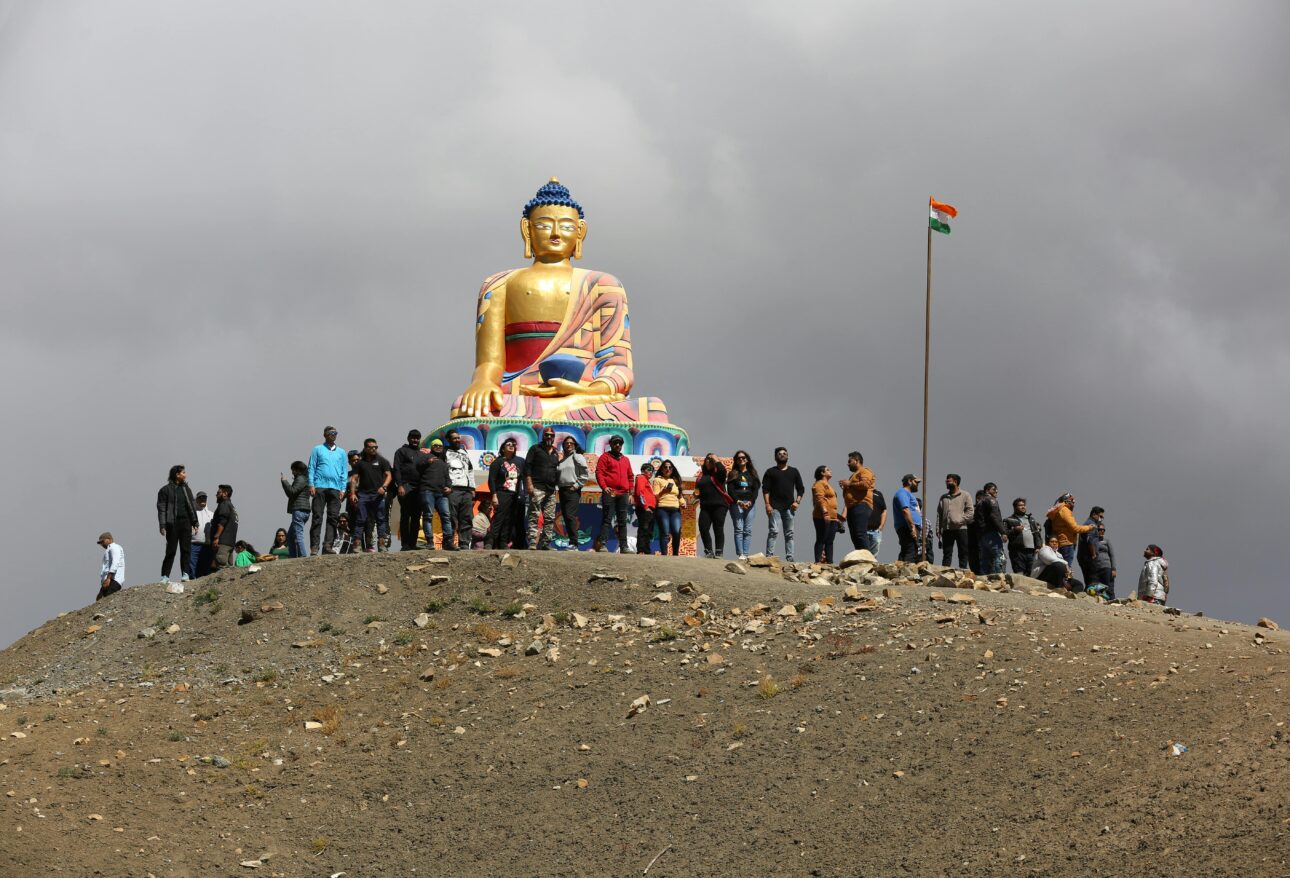
Himachal Pradesh does not reveal itself the same way twice. In May, its high valleys glow emerald under a summer sun. By October, Kullu’s riverside banks overflow with the colour and drumbeat of Dussehra, one of the grandest cultural spectacles in India. Come February, the monasteries of Spiti sit silent beneath four feet of snow, ancient and magnificent in equal measure.
The honest answer to the question of when to visit Himachal Pradesh is this: it entirely depends on what you want to experience. If your heart is set on a Himachal cultural tour, the drums of Kullu Dussehra, the prayer flags of Losar, the timing is everything. If it is a Himachal scenic tour you are after, summer and autumn paint very different, and equally stunning, pictures. And if you are drawn to ancient temples, Kangra forts, and monasteries carved into cliffsides, some seasons open those doors wider than others.
This guide maps every season, every major festival, and every heritage corridor to the months that make them most rewarding, so you can plan a journey that is genuinely yours.
The Seasonal Palette of Himachal Pradesh
Himachal Pradesh spans an extraordinary range of elevations, from subtropical foothills below 500 metres to high-altitude plateaux above 4,000 metres. This means four seasons deliver four completely different destinations within the same state.
Summer: March to June, The Open Door
Summer is the most popular season for a Himachal scenic tour, and for good reason. The snow retreats from passes like Rohtang and Kunzum by late April, unlocking Lahaul, Spiti, and the upper Kullu Valley. Apple orchards in Kinnaur come into white bloom. The air in Shimla and Manali, sharp and clean at 2,000 metres, offers a natural escape from the plains.
The light at this time of year is extraordinary, long, golden evenings that make every hillside look painted. Manali’s Solang Valley, Shimla’s Jakhu forest trail, and Palampur’s tea gardens are all at their most photogenic. Roads are clear, accommodation is plentiful, and every corner of the state is reachable.
Best For: Families, first-time visitors, adventure travellers. Maximum scenic variety and accessibility.
Monsoon: July to Mid-September, The Green Transformation
The monsoon transforms Himachal’s lower valleys into something unexpectedly vivid. Waterfalls erupt from every cliffside. The forests around Dharamshala and Dalhousie become deep, layered shades of green. Chamba, in the northwest, turns lush and alive.
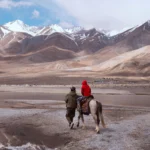
The Spiti and Lahaul regions, in the rain shadow of the Greater Himalayas, remain remarkably dry during this period, making them reliable for high-altitude scenic travel. The trade-off: some mountain roads in Kullu and Shimla districts can be affected by landslides. Build flexibility into your itinerary.
Best For: Budget travellers, photographers, Spiti Valley lovers. Flexible scheduling essential.
Autumn: Mid-September to November, The Finest Hour
Most seasoned Himachal travellers consider October to be the finest month in the state’s calendar. The monsoon has cleared, the skies are crystalline blue, and landscapes shift from deep green to amber and rust. The Dhauladhar range, the Pir Panjal above Dalhousie, and the Spiti Valley’s barren grandeur all reach peak clarity.
This is also the season of Kullu Dussehra, the single most important cultural event in the state. Autumn combines the best of scenic beauty and living tradition in one concentrated window.
Best For: Couples, photographers, cultural travellers. Ideal balance of scenery, weather, and festival access.
Winter: December to February, Silence and Solitude
Winter Himachal is austere, beautiful, and deeply rewarding. Shimla and Dalhousie receive snowfall from December onwards, turning familiar colonial streetscapes into something quietly extraordinary. The toy train from Kalka to Shimla, running through snow-dusted tunnels, is one of India’s most atmospheric experiences.
High passes close entirely, restricting access to Spiti and Lahaul. But the low-altitude heritage belt, Kangra, Chamba, Dharamshala, remains accessible and far less crowded. The Tibetan New Year (Losar), celebrated in January or February in McLeodganj and Spiti, is one of winter’s most compelling cultural draws.
Best For: Heritage seekers, couples seeking solitude, spiritual travellers. Low footfall, intimate experiences, snowfall charm.
Experiencing Himachal’s Living Traditions
A Himachal festival tour is best planned around specific months rather than seasons, because the state’s cultural calendar is dense and precise. Each festival belongs to a landscape, the valley floor, the riverside, the mountain plateau, and visiting at the right moment is the difference between reading about a tradition and witnessing it.
October: Kullu Dussehra, India’s Most Iconic Valley Festival
Kullu Dussehra is a nationally significant cultural event, UNESCO-recognised in the intangible cultural heritage category. For seven days in October, the Kullu Valley hosts over 300 deities, carried on palanquins from villages across the region, to the Dhalpur Maidan in Kullu town.
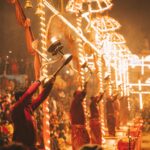
The soundscape alone is extraordinary: drums, brass horns, and chanting priests filling the valley air. Folk dances, local handicraft markets, and traditional Himachali cuisine make this a full immersion into the state’s identity. Arrive two days early, accommodation in Kullu and Manali fills fast.
November: Lavi Fair, A Silk Road Relic in Rampur
The Lavi Fair at Rampur Bushahr, held every November, is one of Himachal Pradesh’s oldest trade fairs, its origins tied to ancient commerce routes connecting Central Asia to the Indian plains. Today, it continues as a vibrant market, cultural performance space, and gathering of traditional artisans.
What makes Lavi compelling for a Himachal cultural tour is its dual identity: part heritage event, part living marketplace. Handwoven shawls, dried fruits from Kinnaur, and traditional silverwork are traded alongside modern goods, an atmosphere that genuinely bridges centuries.
January to February: Losar, The Tibetan New Year at Altitude
Losar, the Tibetan lunar new year, is celebrated with remarkable vibrancy in McLeodganj (home of the Tibetan Government-in-Exile) and in the monasteries of Spiti, particularly Key Monastery and Tabo. Colourful masked Cham dances, butter sculptures, and community feasts mark the celebration.
For travellers based in McLeodganj, Losar offers an intimate window into living Tibetan culture, prayer horns echoing off monastery walls, monks in deep crimson robes, and the warmth of community despite the January cold.
July: Minjar Fair, Chamba’s Harvest of Silk
The Minjar Fair in Chamba, held in late July or early August, celebrates the onset of paddy and maize flowering season. Minjar, silk tassels that symbolise abundance, are offered to the Ravi River with prayers for a plentiful harvest. The fair includes royal processions, folk music, and an atmosphere that the old walled town of Chamba carries uniquely.
Chamba is one of Himachal’s most undervisited heritage towns. The Minjar Fair is an excellent anchor for a monsoon-season cultural visit that also takes in Chamba’s ancient temples and step-well architecture.
Stepping Back in Time: Golden Periods for Heritage Explorations
Himachal Pradesh’s heritage is extraordinarily layered, from the 10th-century Masrur rock-cut temples to the Viceregal Lodge of the British Raj in Shimla. The state holds ancient Pahari miniature paintings, Buddhist monasteries older than most Indian monuments, and colonial hill-station architecture that has aged with remarkable grace. The best times to explore this heritage divide cleanly between high-altitude sites and the heritage towns of the lower foothills.
Summer (April to June): High-Altitude Heritage, Spiti, Key Monastery & Tabo
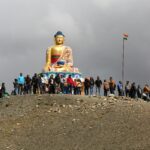
The high-altitude heritage of Himachal, the monastery complexes of Spiti Valley, is only accessible from late April through October, when the passes open. Key Monastery (Spiti’s largest), Tabo Monastery (founded 996 AD, called the ‘Ajanta of the Himalayas’), and Dankhar Monastery (perched above the confluence of the Pin and Spiti rivers) are three of the most significant Buddhist heritage sites in India.
Summer is the ideal window, roads are clear, accommodation is available, and long daylight hours allow unhurried exploration. Pair this circuit with the Himachal Highlights tour from Ashoka Holidays, a 12-day itinerary covering Shimla, Manali, Palampur, McLeodganj, and Dalhousie.
Winter (November to February): Low-Foothill Heritage, Shimla, Kangra Fort & Chamba
The low-foothill heritage belt, Shimla’s colonial architecture, Kangra Fort (the oldest fort in the Himalayan foothills, with origins pre-dating the 4th century), Dharamshala’s Tsuglagkhang Complex, and the walled temple town of Chamba, is accessible year-round. But winter offers a distinct advantage: significantly fewer tourists.
Shimla’s Viceregal Lodge, Christ Church, and the Indian Institute of Advanced Studies take on a different character under a dusting of snow and the emptiness of the off-season. For heritage travellers who value space and atmosphere over convenience, November through February is the most rewarding window in these lower destinations.
For a ground-level analysis of which Himachal hill station delivers richer colonial heritage, read our detailed comparison: Shimla vs Dalhousie, Which Hill Station Is Actually Worth Visiting in 2026?
Explore our dedicated destination pages for Shimla and Dalhousie to review available itineraries, accommodation options, and seasonal highlights.
Month-by-Month Quick Reference Guide
Use this table to align your travel intent with the most rewarding time to visit Himachal Pradesh.
| Month | Season | Best For | Festival / Highlight |
| Jan – Feb | Winter | Heritage & Monasteries | Losar (Tibetan New Year) | Spiti monastery circuits |
| March | Late Winter | Scenic Beauty | Snow-clad valleys; Dalhousie & Shimla in bloom |
| Apr – Jun | Summer | Scenic + Heritage | Peak season – Rohtang Pass, Kangra Fort, Shimla |
| July | Monsoon | Cultural Tour | Minjar Fair, Chamba – silk-weaving celebrations |
| August | Monsoon | Cultural Tour | Lavi Fair prep | Lush green valleys |
| September | Autumn Onset | Scenic Tour | Post-monsoon clarity; Spiti Valley reopens |
| October | Autumn | Festival + Heritage | Kullu Dussehra – India’s most iconic valley festival |
| November | Autumn | Cultural + Heritage | Lavi Fair (Rampur); Monasteries before snowfall |
| December | Winter | Heritage + Scenic | Snowfall begins; Shimla & Dalhousie winter charm |
If Himachal Pradesh is part of a broader North India itinerary, explore our Himachal Pradesh curated tours, a full range of packages that can be combined with Rajasthan, Kashmir, or the Golden Triangle circuit.
For couples planning a romantic journey where Himachal is one destination among many, our India tour packages for couples blog explores seven itineraries, including Himachal-specific romantic options, that go well beyond the usual honeymoon circuits.
Families planning a Himachal trip during school holidays in April to June will find focused guidance in our India tour packages for family: stress-free summer trip guide, which covers timing, destinations, and pacing for family groups across India.
The Right Season Is the One That Matches Your Story
Himachal Pradesh does not have a single best time to visit, it has the best time for you. For the traveller who wants to stand in a valley while 300 deities process past in the October light: Kullu Dussehra will change how you think about Indian culture. For the heritage seeker who wants empty monastery corridors and the echo of their own footsteps in Tabo’s thousand-year-old prayer hall: May mornings are yours. For the couple who wants mist, pine forests, and a Dalhousie guesthouse where the only sound is the wind: February will do what no brochure ever could.
Pack your bags for the version of Himachal that speaks to what you actually want to feel. The mountains will be waiting, precisely as they always have.
Ready to plan your Himachal Pradesh journey? Speak to our travel specialists at Ashoka Holidays, 30 years of crafting unforgettable India experiences.
Contact Ashoka Holidays to start planning your trip

Ronit is a dynamic travel professional and a key driving force behind Ashoka Holidays, overseeing business operations and strategic growth initiatives. With a strong understanding of the travel industry, he focuses on delivering seamless and memorable experiences for global travelers. He plays an active role in curating innovative tour packages and maintaining high service standards across destinations.