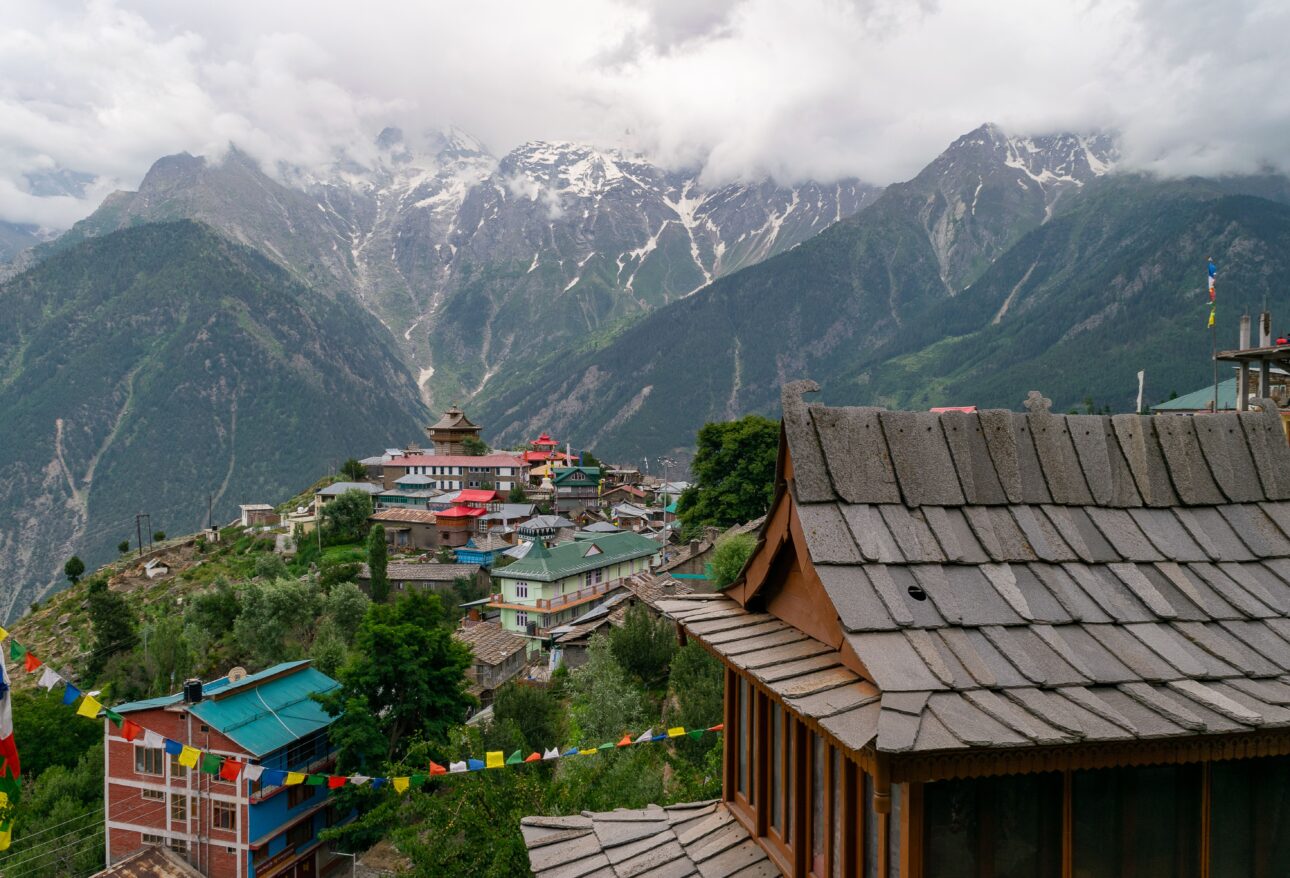
Let’s be honest. Every year, thousands of travellers open Google and type the same question: Shimla or Dalhousie? And every year, they find the same generic comparison tables and vague “it depends on you” answers.
This blog is different. We’re going to give you a real, ground-level look at both destinations in 2026 — what’s changed, what’s worth your time, and which one will actually give you the holiday you’re picturing in your head.
At Ashoka Holidays, we’ve been sending travellers to both these hill stations for over 30 years. We know the roads, the hotels, the hidden spots, and the honest truth about each destination. So let’s get into it.
First, a Quick Snapshot
Before diving deep, here’s a 30-second picture of each destination:
Shimla is the capital of Himachal Pradesh. It was the summer capital of British India, and that legacy still shows — in the architecture, the Mall Road, and the sheer number of tourists who pour in every season. It’s well-connected, well-developed, and well-known. A bit too well-known, some would say.
Dalhousie is quieter. Smaller. Set across five hills in the Chamba district, it was established by Lord Dalhousie as a summer retreat for British officials in 1854. The colonial character is still there — in the churches, the bungalows, the tree-lined walks — but without the crowds. In 2026, it’s one of the few Himalayan hill stations where you can still find actual peace.
The Crowds Question — And It’s the First Thing You Should Ask
If you’re planning a trip between April and June, or during the October school holidays, crowd management is the most important factor in your decision.
Shimla in peak season is genuinely overwhelming. The Mall Road gets so congested that walking becomes a slow shuffle. Parking is a nightmare. Hotels book out weeks in advance. Queues outside popular cafés and restaurants are the norm, not the exception. If you’re travelling with elderly family members or young children, navigating Shimla in summer requires patience.
Dalhousie is nowhere near as crowded. Even in May, you can walk the Bakrota Loop at your own pace, find a café table without waiting, and watch the sunset without competing for the best spot. The tourism infrastructure is smaller, which means the experience stays more personal.
Verdict: Dalhousie wins, and it’s not even close.
Scenery and Natural Beauty
This is where people expect Shimla to win — but the reality is more nuanced.
Shimla’s most iconic views are of the city itself. The ridge, the colonial buildings, the snowcapped peaks in the distance — it’s undeniably photogenic. But as you explore the town, you’re often looking at tourist infrastructure as much as you are natural landscapes.
Dalhousie’s surroundings are rawer and more consistently beautiful. The Pir Panjal range forms a dramatic backdrop. On a clear morning, the view from Dainkund Peak stretches across the Chamba Valley in a way that stops you mid-thought. And then there’s Khajjiar — the famous meadow that’s earned its nickname as India’s Mini Switzerland — just 24 kilometres from Dalhousie town.
Verdict: Dalhousie, especially if you include Khajjiar in your itinerary.
What to Do: Activities and Experiences
In Shimla, you’ll find:
- The famous Mall Road for shopping and evening walks
- Jakhu Temple and the trek to reach it (or the ropeway if you prefer)
- Kufri, just 16 km away, for horse rides and Himalayan views
- Naldehra Golf Course — one of the oldest in Asia
- The Kalka-Shimla toy train, a UNESCO-listed heritage railway
- Chail — a quiet village nearby with a palace and hilltop cricket ground
In Dalhousie, you’ll find:
- Khajjiar — paragliding, horse riding, long walks across the meadow
- Dainkund Peak — the highest point in the region, with a moderate trek and stunning panoramas
- Kalatop Wildlife Sanctuary — guided forest walks, Himalayan black bears and deer
- Panchpula — waterfalls and a peaceful park connected to India’s independence movement
- John’s Church and St. Francis Church — beautifully preserved colonial-era churches from 1863
- Gandhi Chowk and Subhash Chowk — town hubs with small cafés and local shops
- Chamera Lake — excellent for boating, a short drive from town
Verdict: Shimla wins on variety. Dalhousie wins on quality of experience.
The Colonial Legacy: Which Hill Station Does It Better?
Both Shimla and Dalhousie are colonial-era hill stations, and this history is woven into everything — the buildings, the street names, the very layout of the towns.
Shimla’s colonial heritage is grand. Christ Church on the Ridge, Gorton Castle, the Viceregal Lodge — these are impressive, significant structures. But they’re surrounded by modern construction that dilutes the atmosphere.
Dalhousie has aged more gracefully. The town is smaller, so the old buildings aren’t overwhelmed by newer development. Walking through Dalhousie in the early morning, you genuinely feel transported. The churches are still in use. The old bungalows are still standing.
Verdict: Dalhousie, by a significant margin.
Getting There: Accessibility in 2026
This is where Shimla clearly wins, and it matters.
Shimla is well-connected to Delhi and Chandigarh by road. The Kalka-Shimla railway line runs regularly. Chandigarh airport is about 120 km away with multiple daily flights.
Dalhousie’s nearest major railhead is Pathankot, approximately 80 km away. Road connectivity has improved in 2026, with upgraded stretches on the Pathankot-Dalhousie highway. But it still requires a longer journey from most major cities. From Delhi, expect a 10-12 hour drive or an overnight train to Pathankot followed by a 2-3 hour road transfer.
Verdict: Shimla wins clearly.
Cost Comparison: Where Does Your Money Go Further?
Shimla is more developed, which cuts both ways. There are more hotel options at every price point, but popular areas are expensive and tourist-facing businesses know they can charge accordingly.
Dalhousie is more affordable on average. Homestays are well-priced. Local food is cheaper. A typical 3-night trip to Dalhousie for two people can be comfortably done between ₹15,000 and ₹25,000. The same standard of comfort in Shimla will likely cost 20-30% more.
Verdict: Dalhousie offers noticeably better value for money.
For Families: Which One Works Better?
Families with children tend to gravitate towards Shimla because of name recognition and ease of access — Kufri has activities designed for children, and the toy train is memorable for kids.
But Dalhousie is genuinely excellent for families if you plan properly. Khajjiar is a children’s paradise — open meadows, horses to ride, activities at every turn. The town itself is safe, walkable, and calm. If your children are between 6 and 15, Dalhousie may actually be the better destination because it doesn’t overwhelm them.
Verdict: Tie — depends on the age of children and accessibility needs.
For Couples and Honeymooners
Dalhousie wins this one without question. There is something genuinely romantic about Dalhousie’s atmosphere — the mist rolling in over the Pir Panjal range, quiet walks through pine forests, candlelit dinners at small guesthouses, the view from Ganji Pahari at sunset. It’s intimate in a way that Shimla, with its constant tourist traffic, simply cannot be.
Verdict: Dalhousie is the clear winner.
For Solo Travellers
Solo travellers looking for an introspective, slow experience will thrive in Dalhousie. The Bakrota Hills walking loop is perfect for long solo walks. The cafés around Gandhi Chowk are welcoming and unhurried.
Shimla suits solo travellers who want more action — more cafés, more social spaces, more things happening at any given moment.
Verdict: Dalhousie for calm, Shimla for energy.
The 2026 Factor: What’s Changed Recently?
In Shimla: Overtourism has been a growing concern. The Shimla Municipal Corporation has been implementing visitor management measures in peak season, including vehicle restrictions near the Mall Road. While this has helped somewhat, the fundamental issue — too many tourists, limited space — hasn’t changed.
In Dalhousie: The improvements have been positive. Road connectivity is better. The Kalatop Wildlife Sanctuary now has an organised online permit system for eco-tourism. New eco-walking trails around Khajjiar have been developed. Several new boutique stays and farm-to-table dining options have come up, appealing to conscious travellers who want local, authentic experiences.
In short, Shimla is trying to manage its success. Dalhousie is quietly building on its strengths.
Side-by-Side Comparison
| Factor | Shimla | Dalhousie |
| Crowd Level | High (peak season) | Low to moderate |
| Scenery | Beautiful but commercialised | Raw, dramatic, unspoiled |
| Accessibility | Excellent | Moderate (improved 2026) |
| Colonial Heritage | Grand but diluted | Intimate & well-preserved |
| Cost | Higher | More affordable |
| Activities | More variety | Better quality |
| Best For | First-timers, accessibility | Couples, peace-seekers |
| Connectivity | Rail + road + nearby airport | Pathankot rail + upgraded road |
So, Which One Should You Actually Visit?
Here’s the direct answer:
Visit Shimla if — you’re travelling to Himachal for the first time, you’re coming with elderly family members who need easy accessibility, you want the heritage railway experience, or you have children who specifically want snow activities near Kufri.
Visit Dalhousie if — you’ve done Shimla already, you want peace over activity, you’re travelling as a couple or with a small group, you care about value for money, or you want a hill station that feels like it’s still discovering itself rather than selling itself.
If you can manage 7-8 days, visit both. They’re different enough to complement each other beautifully — Shimla’s grandeur followed by Dalhousie’s quietness is actually a wonderful sequence.
Planning Your Trip with Ashoka Holidays
Whether you’re leaning towards Shimla, Dalhousie, or both, Ashoka Holidays has been crafting Himachal itineraries for over 30 years. Our Dalhousie tour packages are built around authentic experiences — hand-picked stays, local guidance, and flexible itineraries that give you the destination at its best.
For a deeper understanding of what Dalhousie offers across seasons and experiences, read our detailed Dalhousie Travel Guide 2026 at: ashokaholidays.com/blog/dalhousie-travel-guide-2026/
If you’re also weighing Dalhousie against Manali, our Manali vs Dalhousie Family Trip Guide gives you a focused comparison specifically for families.
Our Shimla tour packages are equally well-crafted — built to show you the best of the Queen of Hills without the frustration of peak-season chaos.
Contact Ashoka Holidays today.
Frequently Asked Questions
Q1. Is Dalhousie better than Shimla for a peaceful holiday?
Yes, in most cases. Dalhousie is significantly less crowded, more affordable, and offers a slower pace of travel that’s perfect for anyone wanting genuine rest and natural beauty. Shimla has more facilities, but also significantly more tourist footfall.
Q2. Which is more affordable — Shimla or Dalhousie?
Dalhousie is more affordable. Hotels, local transport, and food tend to cost less, and the overall holiday experience delivers strong value for money compared to Shimla.
Q3. Can I visit both Shimla and Dalhousie in one trip?
Yes, but they’re not close to each other — the drive between them takes roughly 5-6 hours. If you have 8-10 days in Himachal, combining both makes sense. For shorter trips, pick one and give it proper time.
Q4. Which hill station is better for a honeymoon in Himachal?
Dalhousie. The quiet atmosphere, scenic valleys, cosy guesthouses, and intimate setting make it a much more romantic destination than the busier, more commercial Shimla.
Q5. What are the best Dalhousie tour packages available?
Ashoka Holidays offers customised 3-night and 4-night Dalhousie tour packages that include accommodation, transport, sightseeing, and local experiences. Visit ashokaholidays.com/tour_destinations/destinations/dalhousie/ for current itineraries and pricing.
Q6. Is Shimla worth visiting in 2026 despite the crowds?
Absolutely — especially if you’re a first-time visitor or travelling with a large family. The toy train, the Mall Road, and the views are genuinely worth it. Just avoid peak summer weekends and book well in advance.
Q7. What is the best time to visit Dalhousie?
March to June for pleasant weather and sightseeing. December to February for snowfall. Monsoon (July-September) for lush green landscapes — though roads can be challenging.
Q8. Which has better food — Shimla or Dalhousie?
Shimla has a wider range of restaurants. Dalhousie offers more authentic Himachali food — traditional dishes like Madra, Dham, and Sidu — as well as a growing café culture around Gandhi Chowk that’s well worth exploring.

Ronit is a dynamic travel professional and a key driving force behind Ashoka Holidays, overseeing business operations and strategic growth initiatives. With a strong understanding of the travel industry, he focuses on delivering seamless and memorable experiences for global travelers. He plays an active role in curating innovative tour packages and maintaining high service standards across destinations.