Spiritual Significance of Varanasi
Revered as Kashi, the city is believed to be one of the oldest continuously inhabited places on earth. Scriptures describe it as the point where life and liberation meet. Temples here are not isolated structures; they are part of daily life, shaping routines, festivals, and collective belief systems. Many of these shrines trace origins back thousands of years, making them central to Varanasi religious places and spiritual traditions.
Kashi Vishwanath Temple
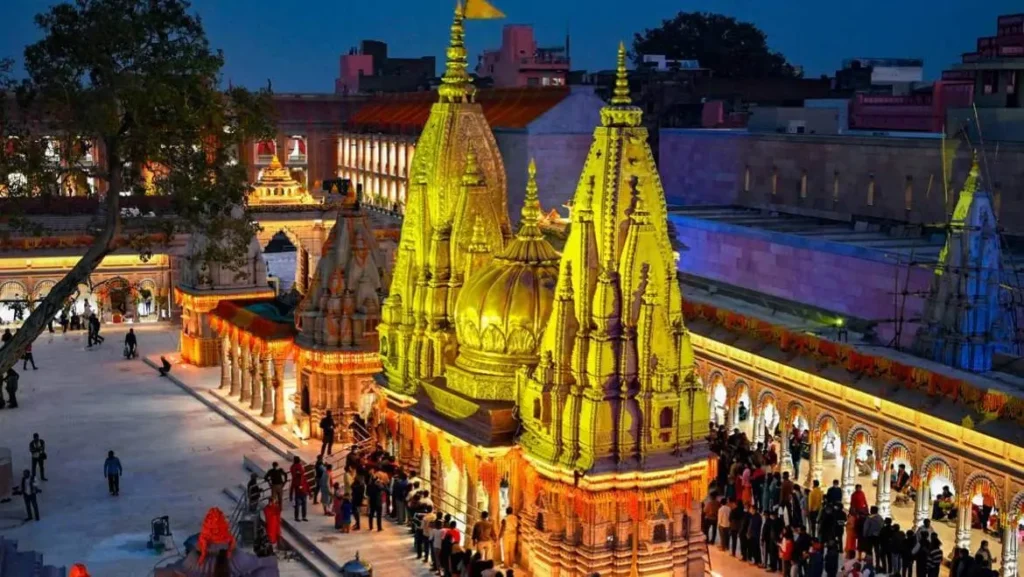
Dedicated to Lord Shiva, Kashi Vishwanath stands as the spiritual axis of the city. One of the twelve Jyotirlingas, this temple symbolizes liberation and cosmic energy. The present structure reflects layered history, rebuilt several times due to invasions and restorations.
Early morning mangala aarti draws devotees from across the country. The surrounding Kashi Vishwanath Corridor has improved access while maintaining ritual sanctity. This temple defines the essence of best temples in Varanasi for spiritual seekers.
Annapurna Devi Temple
Located close to Kashi Vishwanath, this temple honors Goddess Annapurna, the provider of nourishment. Devotees associate this shrine with abundance and gratitude. Traditional belief holds that worship here ensures freedom from hunger and hardship.
The temple becomes especially vibrant during Annakoot and Navratri, when offerings and rituals highlight the goddess’s nurturing role.
Sankat Mochan Hanuman Temple
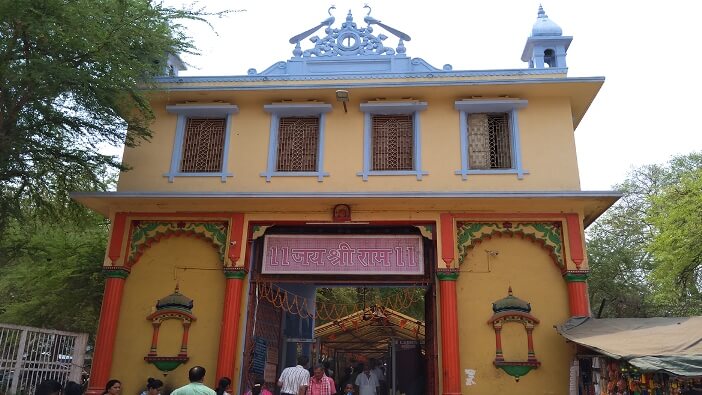
Founded by poet-saint Tulsidas, Sankat Mochan is dedicated to Lord Hanuman. Known as the remover of troubles, this temple attracts devotees seeking strength and mental peace.
Tuesdays and Saturdays witness long queues, with prayers focusing on resilience and protection. Classical music concerts held within the premises reflect Varanasi’s cultural depth beyond rituals.
Durga Kund Temple
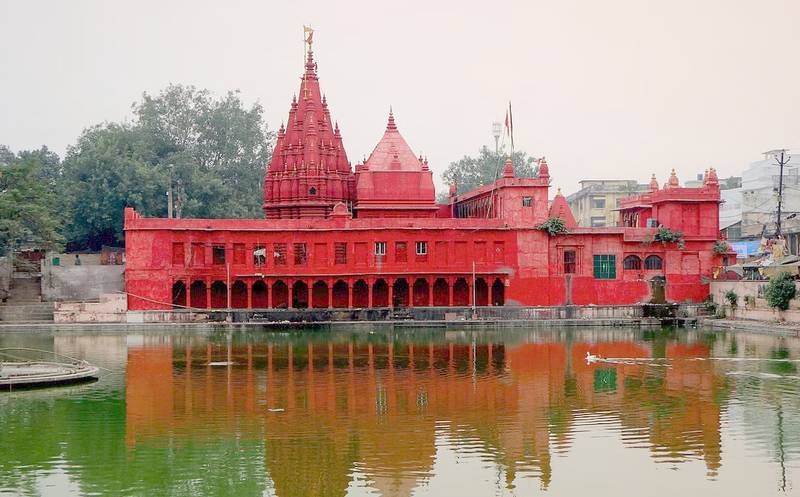
Built in the 18th century, this temple is dedicated to Goddess Durga. The adjoining water tank, once connected to the Ganga, adds symbolic significance. Red-colored architecture and powerful iconography define its presence.
During Navratri, the temple transforms into a center of devotion, drawing pilgrims from surrounding regions and highlighting the enduring role of ancient temples in Varanasi.
Tulsi Manas Temple
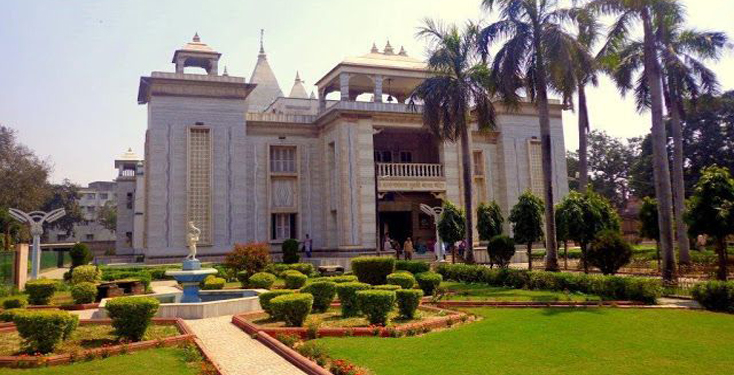
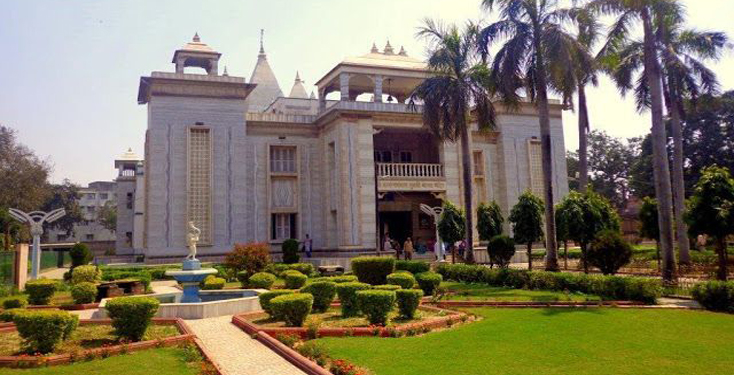
Constructed at the site where Tulsidas composed the Ramcharitmanas, this temple blends devotion with literary heritage. White marble walls inscribed with verses from the epic make it unique.
The temple appeals to travelers interested in spiritual literature and Bhakti movement history rather than ritual intensity alone.
Bharat Mata Temple
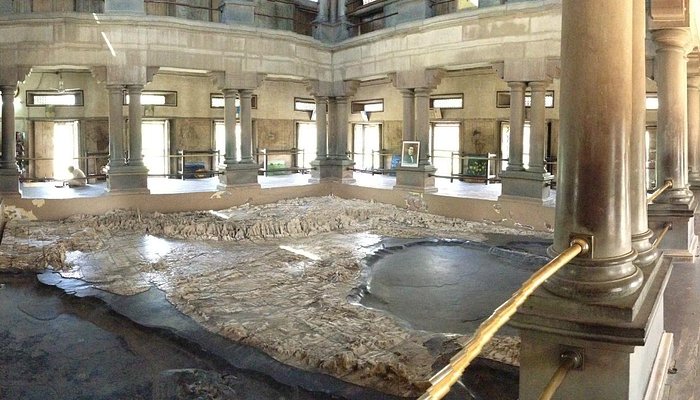
Distinct from traditional deity-based shrines, Bharat Mata Temple houses a marble relief map of undivided India. Established by freedom fighters, it reflects devotion to the nation itself.
This temple offers perspective on spiritual nationalism and cultural unity, often included in heritage-focused itineraries.
Kal Bhairav Temple
Kal Bhairav is regarded as the guardian deity of Varanasi. Tradition holds that entry into the city’s spiritual realm remains incomplete without seeking blessings here.
Devotees offer black threads, oil, and sweets, believing Kal Bhairav governs time and justice within Kashi’s sacred geography.
Planning a Temple Visit in Varanasi
Temple visits in Varanasi follow a rhythm influenced by time, season, and ritual calendars. Early mornings and late evenings offer calmer atmospheres. Footwear rules, dress modesty, and mobile restrictions apply at many shrines.
Temple circuits often integrate well with cultural journeys like the Golden Triangle Tour With Varanasi, blending history, architecture, and spirituality across North India. Carefully structured Tour packages in India ensure smoother access, crowd management, and contextual understanding.
Conclusion
Temples in Varanasi are not monuments frozen in time, they are living spaces where faith, history, and daily life merge seamlessly. Each shrine reflects a different aspect of devotion, liberation, nourishment, strength, protection, and remembrance. Visiting these temples offers insight into India’s spiritual continuity rather than a checklist of sights. With thoughtful planning and cultural sensitivity, the experience becomes deeply personal and enduring.
FAQs:
How many days are ideal for temple visits in Varanasi?
Three to four days allow balanced temple visits, Ganga rituals, and cultural walks without rushing.
Are temple visits possible throughout the year?
Yes, though October to March offers more comfortable weather for extended walking and rituals.
Is special permission required for Kashi Vishwanath Temple?
General darshan requires no permission, while special aartis may need prior booking.
Are all temples located near the ghats?
Many are nearby, but some temples like Sankat Mochan and Bharat Mata lie slightly outside the old city.
Can temple visits be combined with cultural sightseeing?
Yes, temples integrate naturally with ghats, markets, and heritage sites.
Are photography and phones allowed inside temples?
Most major temples restrict photography and mobile phone usage inside premises.
Is guided temple touring beneficial?
Guided tours provide historical context, ritual understanding, and efficient navigation through crowded areas.

Ronit is a dynamic travel professional and a key driving force behind Ashoka Holidays, overseeing business operations and strategic growth initiatives. With a strong understanding of the travel industry, he focuses on delivering seamless and memorable experiences for global travelers. He plays an active role in curating innovative tour packages and maintaining high service standards across destinations.